How to Choose the Right Side Table for Your Space: A KADRA Guide
How to Choose the Right Side Table for Your Space: A KADRA Guide
A side table may seem like a simple piece of furniture, but it can make a noticeable difference to both the look and functionality of a space. It is more than just a surface for your coffee or a book; it can become an important part of your living room, majlis, or reading corner.
With so many different sizes, shapes, and materials available, how do you know which side table is right for your space?
In this guide from KADRA, we share the key things to consider when choosing a side table, from size and height to shape, material, and function.
1. Start with the Size of Your Space
Before choosing a design, consider how much space you have around your sofa or chair.
If your space is compact, choose a smaller side table that gives you the functionality you need without making the room feel crowded. Larger spaces can accommodate more substantial tables or multiple tables within the same arrangement.
Make sure there is also enough room to move comfortably around your furniture so the space remains practical and easy to use.
2. Choose the Right Height
The height of a side table is one of the most important details when it comes to everyday use.
When placing a table beside a sofa or chair, a height close to the seat or armrest level usually makes it easier to reach your coffee, book, or other essentials without having to lean too far.
If the table is mainly intended for decorative purposes, you can choose a different height depending on the location and overall styling.
3. Think About How You Will Use It
Start by asking yourself: What do I want the table to do?
If you need it for everyday use, choose a design with enough surface area for coffee, drinks, books, or other essentials.
If your main goal is to add a decorative touch, you can focus more on the table's shape, materials, and design details.
A well-chosen side table can easily serve both purposes, offering everyday functionality while becoming part of the overall décor.
4. Choose a Shape That Works with Your Furniture
The shape of a side table can change the overall feel of a space.
Round tables add softness and flow to a room and work particularly well with furniture featuring straight lines.
Square and rectangular tables suit more structured arrangements and can be easily positioned beside sofas and chairs.
More distinctive or unconventional shapes can give your space more character and create a statement piece within the décor.
The key is to choose a shape that complements the existing lines and forms in your space.
5. Choose a Material That Reflects Your Style
The material of a side table affects more than its appearance; it can influence the overall feeling of the room.
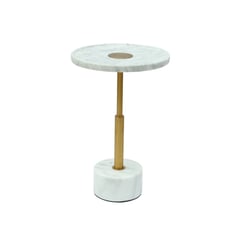
Marble adds a luxurious and distinctive touch, especially when paired with metal or neutral tones.
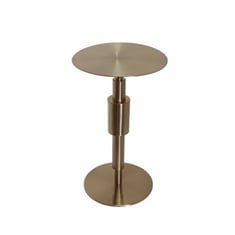
Metal creates a modern look and can introduce elegant details without making the piece feel visually heavy.
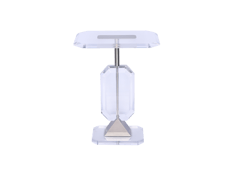
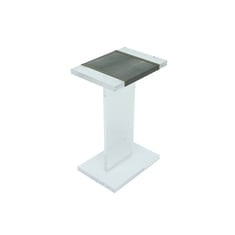
Acrylic and glass create a lighter, more open feel, making them a natural choice for smaller spaces and contemporary interiors.
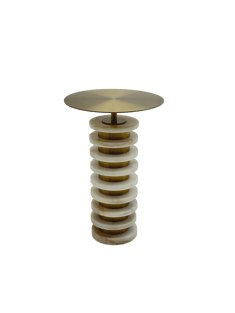
Combining different materials can also create a piece that balances functionality with visual appeal.
6. Coordinate the Color with Your Space
Your side table does not have to perfectly match the rest of your furniture.
Instead, choose a color that complements the existing palette or introduces a subtle contrast.
For example, a black table can add depth to a neutral space, while gold metal details can bring warmth and sophistication to the room.
If your interior already includes many colors and details, a simpler table design can help maintain visual balance.
7. Consider the Space Around the Table
Even the most beautiful side table may not feel right if it is placed in an area that is too tight.
Before purchasing, measure the space where you plan to place the table and make sure there is enough room for comfortable movement and access to nearby drawers or doors, if applicable.
This simple step can help you choose the right size from the beginning and prevent the space from feeling crowded.
How to Choose the Perfect Side Table at a Glance
Before making your choice, keep these points in mind:
- Measure your available space before choosing a table.
- Choose a height that works well with your sofa or chair.
- Consider the table's main purpose.
- Choose a shape that complements your furniture.
- Select a material that suits your interior style.
- Use color to complement your décor or create an elegant contrast.
- Leave enough space around the table for comfortable movement.
Your Side Table Is Part of the Details That Shape Your Space
At KADRA, we believe that small details can make a meaningful difference in the way a home feels. That is why our side tables come in a variety of designs and materials to suit different spaces, from living rooms and majlis settings to coffee corners and hospitality areas.
Explore KADRA's side table collection and find the piece that completes your space and reflects your style.