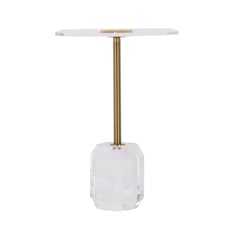
Small Mistakes That Can Shorten Your Table’s Lifespan: A KADRA Guide
Small Mistakes That Can Shorten Your Table’s Lifespan: A KADRA Guide
A table may seem like a simple piece of furniture, but it is one of the most frequently used surfaces in a home. From coffee cups and books to serving essentials and decorative accessories, everyday use can gradually affect its appearance.
Caring for a table involves more than wiping the surface. Its placement, the way weight is distributed, how it is moved, and the cleaning products used all matter.
In this KADRA guide, we explore a few details people often overlook and share practical ways to help maintain the appearance and condition of your table.
1. Placing Your Table in Direct Sunlight
Natural light can make a room feel warm and inviting. However, prolonged exposure to direct sunlight may cause fading or affect certain finishes over time.
How to avoid this:
- Choose a location with natural light but limited direct sun exposure.
- Use curtains to reduce strong sunlight during peak hours.
- Take extra care with sensitive finishes and certain acrylic, coated, or leather surfaces.
Different materials react differently to light and heat, so always consider the care instructions for your specific table.
2. Assuming Every Surface Is Heat-Resistant
Placing a hot cup or coffee pot directly on a table may seem harmless, but heat can leave marks or affect certain finishes.
Better everyday habits:
- Use coasters for hot and cold drinks.
- Place hot cookware on suitable heat-resistant mats.
- Do not assume that marble, metal, glass, or coated surfaces can withstand every temperature without damage.
A simple coaster can help protect your table from everyday marks.
3. Distributing Weight Incorrectly
The amount of weight matters, but so does its placement. Heavy objects placed near an edge or too many items placed on a small surface may affect the stability of some designs, particularly tables with slender bases or extended tops.
To help maintain stability:
- Keep heavier items closer to the center where practical.
- Never stand or sit on a table.
- Use the table for its intended purpose.
- Follow the manufacturer's load recommendations rather than assuming that a heavier table can support more weight.
4. Dragging the Table Instead of Lifting It
Dragging a table may seem easier than lifting it, but it can scratch floors, put pressure on joints, or affect the stability of certain components.
The safer way to move it:
- Remove all objects from the surface first.
- Lift the table by its stable structural parts, not by a glass top or decorative component.
- Ask for help when moving a heavy table.
- Lower it gently into its new position.
Tables made with marble or glass components require particular care because of their weight and material properties.
5. Using the Same Cleaner on Every Material
A cleaner that works well on one surface may damage another. Acrylic, glass, marble, coated metal, and leather can require different care methods.
Before cleaning:
- Start with a clean, soft cloth.
- Use a cleaner suitable for the specific material when needed.
- Avoid abrasive sponges, scouring powders, and harsh chemicals unless the product instructions explicitly allow them.
- Test any new cleaning product on a small, hidden area first.
For acrylic surfaces, avoid rough cloths and aggressive rubbing that may cause fine scratches. Natural marble requires products suitable for natural stone; acidic substances such as vinegar and lemon should be avoided.
6. Leaving Spills on the Surface
Coffee or water spills may seem minor, but leaving liquid on a surface for too long can lead to stains or marks, especially on porous materials or sensitive finishes.
What to do when a spill happens:
- Blot the liquid with a soft cloth instead of rubbing aggressively.
- Clean the area using a method suitable for the material.
- Dry the surface when appropriate according to its care instructions.
- Avoid using direct heat to speed up drying.
For natural marble, cleaning spills promptly can help reduce the risk of staining or surface damage.
7. Ignoring the Base of Decorative Accessories
Vases, metal accessories, and objects with rough bases may scratch a table when repeatedly moved, even if they are not particularly heavy.
A small detail that helps:
- Place soft protective pads under accessories.
- Avoid dragging decorative objects across the surface.
- Keep vase bases dry and prevent water from collecting underneath.
- Use a decorative tray to group serving essentials while helping protect the table.
This makes it easier to keep your table styled and cared for at the same time.
8. Choosing a Location Without Considering Daily Movement
A table may look perfect in one spot, but placing it in a narrow walkway or beside a frequently used door can increase the chance of accidental bumps or repeated movement.
Before deciding where to place it, consider:
- How easily it can be reached while seated.
- The amount of space around it.
- Its distance from the sofa or chair it serves.
- Whether it obstructs doors or busy walkways.
- Whether its height and dimensions suit the surrounding furniture.
The right table should not only look beautiful; it should also fit naturally into the way you use your space.
9. Forgetting to Check the Table Occasionally
Small issues can go unnoticed, such as a loose joint, a shifting base, or a new surface scratch.
Check your table from time to time to make sure it remains stable and its components are in good condition. If you notice instability or damage, avoid loading the table until the issue has been assessed and addressed appropriately.
A Quick Table Care Checklist
Keep these simple habits in mind:
- Wipe the surface with a soft cloth.
- Use coasters and suitable heat-resistant mats.
- Clean spills promptly.
- Distribute heavier items appropriately.
- Lift rather than drag the table.
- Choose cleaning products suited to the material.
- Avoid environmental conditions that may affect the finish.
- Check the table's stability and components occasionally.
At KADRA, Every Detail Deserves Care
A table is more than a surface for everyday essentials. It is part of your home's styling and hospitality. With a few thoughtful habits, you can help maintain its appearance and condition over time.
Explore KADRA's collection of center tables and side tables to find a piece that suits your space and needs, and give it the care appropriate for its materials and design.